
GENERAL DIVING INFORMATION
GENERAL INFO
Where warm southern currents meet cold, nutrient-rich waters from the north, something remarkable happens. In the Northern Channel Islands, this natural convergence creates one of the most diverse marine ecosystems in Southern California scuba diving.
The island chain includes Anacapa, Santa Cruz, Santa Rosa, and San Miguel, each surrounded by thriving kelp forests, abundant marine life, and ever-changing underwater terrain. Divers return to the Channel Islands National Park again and again because no two dives are ever the same. Visibility averages 40 feet and often exceeds it, offering incredible conditions for both new and experienced divers.
With hundreds of miles of rugged coastline and year-round Channel Islands dive trips, this region belongs on every diver’s list. Often referred to as the “Galapagos of North America,” the Channel Islands are renowned for their exceptional biodiversity and unique marine life. Anacapa Island, the closest island to Ventura Harbor, can be reached by the Spectre Dive Boat in approximately one hour and fifteen minutes, with Santa Cruz Island just beyond. Fast crossings, comfortable vessels, and world-class diving make the Channel Islands one of the premier California scuba diving destinations.
UNDERWATER SIGHTS
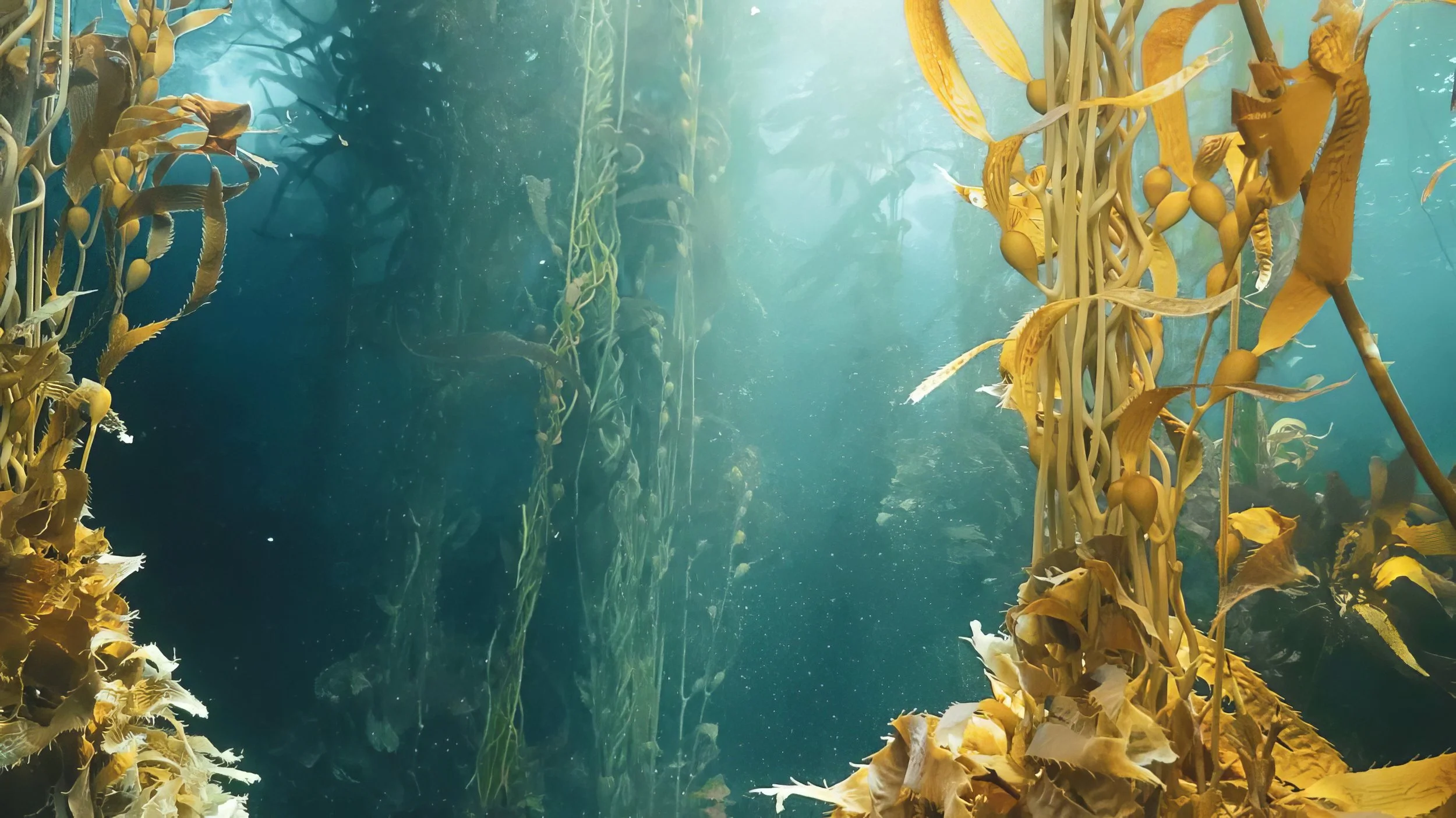
The Channel Islands feature a mix of rocky reef with towering kelp forests. Giant kelp rises from the sea floor to the surface, creating one of the most iconic dive environments in California.
These reefs are alive with fish and invertebrates, including kelp bass, sheephead, and bright orange garibaldi weaving through the kelp. Sea lions and harbor seals are common visitors—often playful and curious—while lobsters, bat rays, horn sharks, and moray eels hide among the rocks. With patience, divers may also encounter schooling baitfish, and the occasional giant black sea bass,
The Channel Islands reward slow exploration—the more time you spend looking, the more the environment reveals.
SNORKELING
Snorkeling at the Channel Islands is an easy and enjoyable way to get in the water, whether you’re brand new to snorkeling or have spent years around the ocean. Many sites offer calm, protected conditions that make it comfortable for all ages, from kids to adults. It’s a great option for families and groups with mixed comfort levels, allowing everyone to move at their own pace and enjoy the water without pressure. With clear conditions and plenty happening just below the surface, Channel Islands snorkeling offers a fun, approachable day on the ocean for everyone aboard. Still unsure? Snorkel guides are available through Dive Guides of Channel Islands.
CHOOSING A TRIP
For first-time divers in California, Anacapa and Santa Cruz Islands are hard to beat. Close to the mainland and rich with kelp forests, reefs, and marine life, they offer an ideal introduction to Channel Islands diving—without sacrificing excitement for more experienced divers.
What makes the difference is the boat. Spectre’s crew knows these islands intimately and selects dive sites based on real-time conditions, carefully balancing visibility, shelter, and comfort to deliver a smooth, well-run dive day for everyone on board.
That’s why divers return to Spectre to keep exploring Anacapa and Santa Cruz time and again—and why first-time Channel Islands divers leave with a truly unforgettable day on the water.
PHOTOGRAPHY
Anacapa and Santa Cruz Islands offer outstanding opportunities for both macro and wide-angle underwater photography. The Spectre is well equipped for photographers, with a dedicated camera rinse tank, workspace for changing lenses, and plenty of 110-volt outlets for charging batteries between dives. All of the images featured on this website were captured during dives at Anacapa and Santa Cruz, showcasing the incredible variety these islands offer below the surface.
MARINE RESERVES
The entire north side of Anacapa Island is designated as a Marine Protected Area (MPA), meaning fishing and harvesting are not allowed. MPAs are created to protect marine ecosystems, allowing fish, kelp forests, and other ocean life to thrive naturally and undisturbed. As a result, these areas often support greater abundance and healthier marine environments, making them especially rewarding places to dive.
Anacapa’s protected waters are one of the reasons it remains such a popular Channel Islands dive destination. Most Spectre trips include dives both inside and outside the reserve, giving divers the opportunity to see the contrast between protected and non-protected areas while enjoying exceptional diving conditions throughout the day
HUNTING
Hunting is allowed aboard the Spectre, but dive sites are always selected based on the safest and best conditions for the day, which means some or all dives may take place in Marine Protected Areas where hunting is not permitted. While we do our best to accommodate hunters when conditions allow, hunting opportunities cannot be guaranteed on every trip.
A valid California fishing license, with an ocean enhancement stamp, is required for all hunting. Lobster season typically runs from early October through mid-March. Each year, we offer lobster-specific dive trips, with designated dates clearly marked on our booking calendar.
Commonly targeted species in open areas may include sheepshead, calico bass, rock scallops and purple sea urchins depending on season and regulations.
If hunting is your primary focus, we recommend reaching out directly to book a group or private charter. This allows us to better tailor the trip, discuss site options, and set clear expectations based on current conditions and regulations.
ANCHORING
Diving in Channel Islands National Park is an unforgettable experience, and the way we anchor plays an important role in making each dive safe and enjoyable. Because the islands are protected as a National Park, mooring buoys aren’t permitted. The volcanic seafloor and absence of coral reefs make this possible without harming the environment.
On the Spectre, we use a two-anchor system designed with divers in mind. A stern anchor is set directly at the dive site, giving divers a clear, easy descent and ascent along the anchor line with no long surface swims. A second anchor off the bow is set in open water with extra scope to keep the boat stable in wind and swell. This setup allows us to hold position securely, manage changing conditions, and create a smoother, more controlled dive day from entry to exit.
DIVE MASTERS
Spectre divemasters are focused first and foremost on safety. They manage diver check-ins and check-outs, monitor conditions, and are ready to assist or perform rescues if needed. Their role is to support the overall operation and ensure a safe diving environment for everyone on board.
Divemasters do not lead guided underwater tours. Certified divers are free to plan and execute their own dives with their buddy, while our experienced crew remains topside and in the water as safety support.
This approach allows for greater flexibility, personal exploration, and a safer experience for divers of all skill levels.